Tensiometers help planes stay safe and work better. They check how much strain cables have. These cables control a plane’s wings and tail. By making sure these cables are okay, tensiometers help diagnose any issues. This checking helps keep the plane secure. Besides, when a plane is well-kept, it works better. Faster planes that use less fuel are good for business. Tensiometers help with regular plane checks. They help find any cable problems early. This early search helps avoid bad surprises later. In simple words, tensiometers help safeguard the aircraft while also making it more efficient and cost-effective to run.
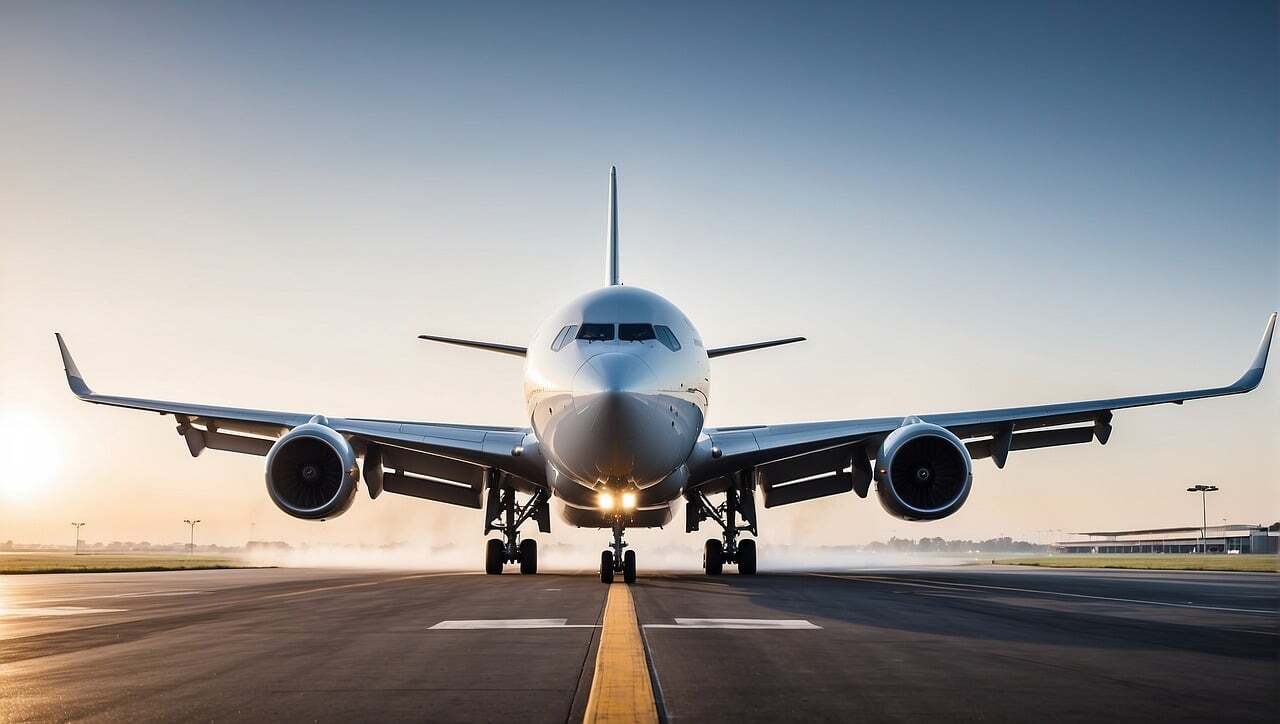
Strain Cable Monitoring
Tensiometers have an important job of checking tension cables in planes. The cables are really important because they control how the wings and tail of the plane move. If these cables are under too much strain or not enough, it can cause big problems. The most serious one is that the pilot might lose control of the aircraft. Tensiometers watch these cables all the time. They send out signals about any changes in tension. This constant checking helps any potential problems be found early. When flaws are found and fixed quickly, it prevents accidents. By keeping control systems in good shape, tensiometers help keep flights safe and under control.
Preventive Maintenance Assistance
A tensiometer is a key player in the regular upkeep of airplanes. They zero in on the tension of important control cables. Knowing the state of these cables helps mechanics find problems quickly. When issues are caught early, it saves a lot of time and money. That’s because serious repairs aren’t needed all the time. Additionally, if planes are fixed quicker, they can fly more often. The information that a tensiometer provides helps with better planning of maintenance tasks. This planned upkeep guarantees that planes stay safe and ready for service. So, tensiometers play a big part in keeping regular airplane maintenance effective and cheap.
Improved Flight Performance
Tensiometers directly affect how well a plane flies by keeping its control system in good shape. The control system is key because it helps pilots steer the plane during flight. When control cables are checked regularly with tensiometers, the plane’s response to controls stays accurate and reliable. This means the aircraft is easy to fly and reacts well to pilot instructions. A good control system improves safety but also makes flying more efficient. When planes are easy to control, they waste less fuel and fly better. Better flight performance benefits both pilots and passengers by providing a secure and pleasant flying experience.
Contribution to Safety Regulations Compliance
In aviation, safety rules are very strict and have to be followed exactly. Tensiometers help planes follow these rules by checking tension control wires regularly. The information from these devices gives exact reports on the state of the cables. This kind of detail helps people in charge of looking after planes meet safety standards set by aviation authorities. When you stick to these standards, it reduces the possibility of accidents caused by faulty equipment. Tensiometers make sure that planes are not only kept up well but also pass safety checks. These actions help keep the sky safe and safe for everyone traveling there.
Read more about The Wonders of Aviation: Facts That Showcase Its Science

Support in Structural Integrity Monitoring
Tensiometers play a key role in keeping an airplane’s structure strong and healthy. They don’t only check the status of control cables. They also make sure that the important parts of the plane are okay, too. By regularly looking at the tension in the control cables, tensiometers help find any tension changes in the airplane structure. Changes like this could mean the structure is getting weak or hurt. Early checking helps catch any problems quickly so they can be fixed before they get worse. Keeping the airplane safe and strong helps tensiometers stop serious accidents. Strong planes are much safer to fly, making people’s trips more secure.
Applications of Tensiometers beyond the Aviation Industry
1. Agriculture and Soil Science
- Soil Moisture Measurement: Tensiometers are commonly used in agriculture to measure soil moisture levels. By determining the water tension within the soil, farmers can monitor irrigation needs and optimize water use to maintain healthy crops and conserve resources.
- Irrigation Control: They help ensure that crops receive the right amount of water, which is especially important for areas where water conservation is crucial.
2. Environmental Monitoring
- Groundwater Studies: Tensiometers are employed to study groundwater flow and the retention properties of different soil types.
- Pollution Detection: By analyzing changes in surface tension, tensiometers can detect pollutants in water bodies, such as oil spills or chemical contamination, allowing early intervention to prevent environmental damage.
3. Food and Beverage Industry
- Quality Control in Food Production: In food manufacturing, tensiometers help measure the surface tension of liquids like oils, syrups, and beverages.
- Beverage Foam Stability: They are used to measure the foam stability in beverages like beer, soda, or sparkling drinks, ensuring that the foam’s consistency matches product standards.
4. Pharmaceutical and Chemical Industries
- Formulation of Products: In pharmaceutical and chemical manufacturing, surface tension measurements are essential when creating emulsions, suspensions, and other products.
- Quality Control in Surface Coatings: Tensiometers assist in evaluating surface coatings, such as paints or varnishes, ensuring they have the correct viscosity and adherence properties.
5. Textile Industry
- Textile Wetting and Finishing: Tensiometers are used to measure the wetting properties of textiles, which is crucial for fabric finishing and dyeing processes. Surface tension measurements help in determining how well water or other solutions penetrate fabrics, affecting the uniformity of dyeing or treatment.
- Surface Treatment of Fabrics: Tensiometers are employed to ensure the correct surface properties of fabrics for applications like waterproofing or stain resistance.
6. Petroleum and Oil Industry
- Oil and Gas Exploration: Tensiometers are used in petroleum engineering to study the surface tension of drilling fluids, helping to optimize drilling operations. They also help in measuring the efficiency of oil recovery processes and understanding the behavior of fluids within reservoirs.
- Lubricant Testing: In the oil industry, tensiometers assess the surface properties of lubricants, ensuring they provide the necessary protection against wear and friction in mechanical systems.
7. Medical Applications
- Tensile Strength of Biological Materials: Tensiometers are used in medical research to measure the mechanical properties of biological materials, such as skin, tissues, or membranes, helping in designing implants, prosthetics, and skin care products.
Conclusion
Tensiometers are invaluable for guaranteeing aircraft efficiency and safety. They precisely monitor control cable tension, directly contributing to preventive maintenance and improved flight performance. Furthermore, their role in ensuring adherence to stringent aviation regulations cannot be overstated. By providing crucial data that supports maintenance practices and regulatory compliance, tensiometers help guard the safety of flights while optimizing operational effectiveness.