When we look at the operating systems that exist today, the list is extensive—Android, iOS, Windows, Linux distributions, watch operating systems, TV platforms, automotive systems, and more. Maintaining different operating systems for smartphones, computers, wearables, televisions, gaming devices, and in-vehicle infotainment (IVI) systems is complex, costly, and inefficient.
The electronics industry has long been moving toward platform unification, and one operating system that has steadily evolved with this goal in mind is Tizen OS.
What Is Tizen OS Today?
Tizen is a Linux-based, open-source operating system designed to run across a wide range of connected devices. While it originally aimed to compete in the smartphone space, its real success has come from embedded systems, consumer electronics, and IoT ecosystems.
The development of Tizen is primarily driven by Samsung, with historical collaboration from Intel. Today, Samsung is the dominant force behind Tizen, using it as a strategic platform to reduce dependency on third-party operating systems.
Unlike Android or iOS, which are consumer-facing mobile-first platforms, Tizen has matured into a specialized operating system optimized for performance, stability, and scalability across non-mobile devices.
Where Tizen Is Used in 2025
Tizen is no longer experimental and is widely deployed at scale across multiple device categories.
Smart TVs remain Tizen’s strongest domain. Samsung Smart TVs have run on Tizen since 2015, and by 2025 Samsung has shipped more than 250 million Tizen-powered Smart TVs worldwide. This makes Tizen the most widely used Smart TV operating system globally. Major streaming platforms such as Netflix, YouTube, Prime Video, Disney+, and Apple TV are fully optimized for Tizen.
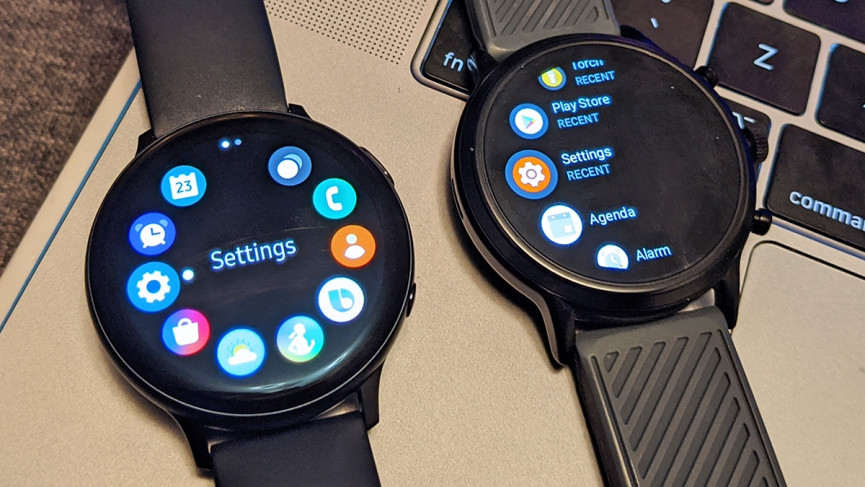
In wearables, Samsung’s flagship Galaxy Watch lineup transitioned to Wear OS, but Tizen continues to power legacy wearable devices. Its lightweight architecture played a major role in shaping Samsung’s approach to smooth UI performance and battery efficiency.
In the automotive space, Tizen is actively used in in-vehicle infotainment systems, digital instrument clusters, and embedded automotive displays. Tizen Automotive aligns well with Linux-based IVI standards and open automotive platforms.
Tizen also plays a significant role in IoT and smart appliances. It runs on refrigerators, washing machines, air conditioners, smart signage, and enterprise kiosks. These devices integrate closely with Samsung SmartThings and edge computing platforms.
Open Source and Modular Architecture
Like Android, Tizen is open source. Device manufacturers and developers can use the Tizen Common Base to create custom profiles optimized for memory usage, power consumption, and performance requirements.
This modular design is one of the main reasons Tizen succeeds in embedded systems, where Android is often considered too resource-heavy.
Application Development in Modern Tizen
Tizen follows a web-first but performance-focused development model. Over the years, its tooling and runtime environment have matured significantly.
Tizen supports application development using HTML5, JavaScript, and CSS, along with WebAssembly for high-performance web apps. Native development using C and C++ is available for performance-critical applications, while limited .NET support exists for specific device profiles.
Applications built for Tizen are optimized for fast boot times, smooth user interfaces, low memory consumption, and long lifecycle support. This is especially important for devices like televisions and home appliances that are expected to receive updates for many years.
HTML5 and Hybrid App Advantage
HTML5 continues to be a core strength of the Tizen platform. This approach allows developers to build applications faster and reuse code across multiple platforms.
Hybrid applications on Tizen store their HTML, JavaScript, and CSS assets locally. As a result, apps can launch without an internet connection and deliver near-native performance. From a user’s perspective, there is little to no visible difference between a native app and a hybrid app.
This development model has made Tizen particularly attractive for OTT platforms, media streaming services, enterprise dashboards, and digital signage solutions.
Tizen vs Android in 2025
Tizen is no longer positioned as a direct competitor to Android in the smartphone market. Instead, it complements Android by excelling in areas where Android is less efficient.
Tizen offers faster boot times due to its lightweight kernel, a smaller hardware footprint, and optimized performance for embedded devices. Android, on the other hand, dominates smartphones and tablets with a massive application ecosystem.
In smart TVs, Tizen is the clear market leader, while Android remains the preferred choice for mobile devices.
Tizen vs Android (Reality Check in 2025)
| Feature | Tizen OS | Android |
|---|---|---|
| Boot speed | Faster (lightweight kernel) | Slower |
| Hardware footprint | Low | Medium to high |
| App ecosystem | Focused & curated | Massive |
| Smart TV dominance | ✅ Market leader | ❌ |
| Smartphones | ❌ Discontinued | ✅ |
| Embedded & IoT | ✅ Excellent | ⚠️ Limited |
Android App Compatibility
Earlier versions of Tizen experimented with Android app support using an Application Compatibility Layer. In recent years, this approach has been deprioritized.
In 2025, Tizen focuses on native and web-based applications that are purpose-built for TVs, automotive systems, and embedded devices. Performance, security, and long-term stability now take precedence over generic Android app compatibility.
Tizen Store and Developer Ecosystem
Tizen continues to maintain its own app ecosystem, particularly for Smart TV applications, OTT platforms, games designed for remote control interaction, and enterprise and signage solutions.
The Tizen source code and SDKs remain publicly available at http://download.tizen.org. Samsung continues to support developers through regular SDK updates, long-term OS support cycles, and hardware-backed performance optimizations.
The Future of Tizen Operating System
The future of Tizen is not centered on smartphones but on platform ownership and ecosystem control.
Samsung’s long-term focus areas for Tizen include smart TVs and home entertainment systems, automotive digital cockpits, smart appliances and IoT devices, edge computing, and AI-enabled embedded systems. These devices often require operating systems with long support lifecycles, sometimes exceeding ten years.
By investing in Tizen, Samsung reduces its dependency on external platforms, achieves tighter hardware-software integration, lowers licensing and compliance risks, and builds a unified experience across its device portfolio.
Final Thoughts
Tizen may no longer be a headline-grabbing mobile operating system, but it has quietly become one of the most successful operating systems in the world.
If Android dominates smartphones, Tizen dominates living rooms, car dashboards, and smart homes. In a future driven by connected devices everywhere, this strategy positions Tizen as a long-term, sustainable platform.
What do you think about Tizen’s evolution? Is platform independence the future of consumer technology?
how can i make it as seminar and ppt ? or is u hav it already
Hi,
We do not have PPT for any of the topics.
You can use this information and format it as per your needs.
can u pls send me the pics of tizen architure
sir, can i have the ppt of it please ?
Sorry.We do not have PPTs prepared for any of the topics.
Comments are closed.